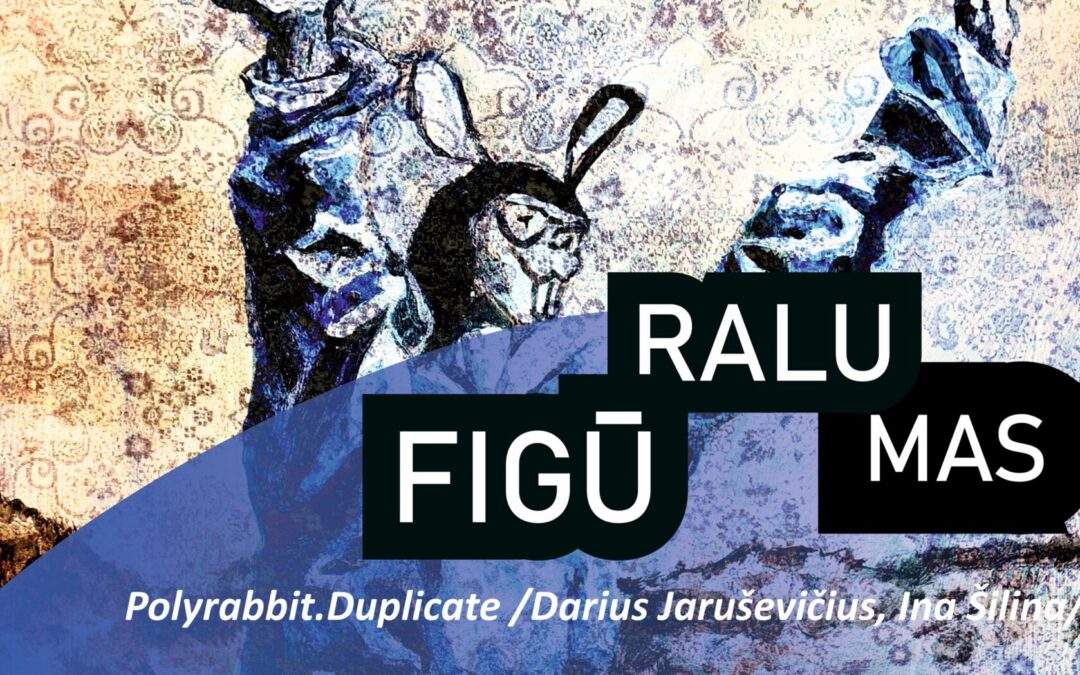
2026 m. vasario 20 d., penktadienį, 17.00 val. atidaroma Dariaus Jaruševičiaus ir Inos Šilinos šiuolaikinės tapybos ir analoginės animacijos paroda „Figūralumas“.
Paroda veiks iki kovo 14 d.
ŠIUOLAIKINĖS TAPYBOS IR ANALOGINĖS ANIMACIJOS PARODA „FIGŪRALUMAS“
„Polyrabbit.Duplicate“ kūrėjų duetas – Darius Jaruševičius ir Ina Šilina – perleidžia filmų ir tapybos autorystę animaciniam veikėjui, kuriančiam dokumentines istorijas įvairialypiais tapybos pavidalais. „Polyrabbit.Duplicate“ – tai ranka atliktos mokumentinės (fikcinės dokumentikos) animacijos serialo „Polyrabbit.Duplicate“ herojus, įkūnijantis šiuolaikinį medijų vartotoją, išorinį pasaulį patiriantį ir suvokiantį per ekranus. Daugiau nei prieš dešimtmetį sukurtas personažas, anachronistinis savo forma, tapo analoginiu Jaruševičiaus ir Šilinos sugeneruotu virtualiu tapybiniu tarpininku (agentu).
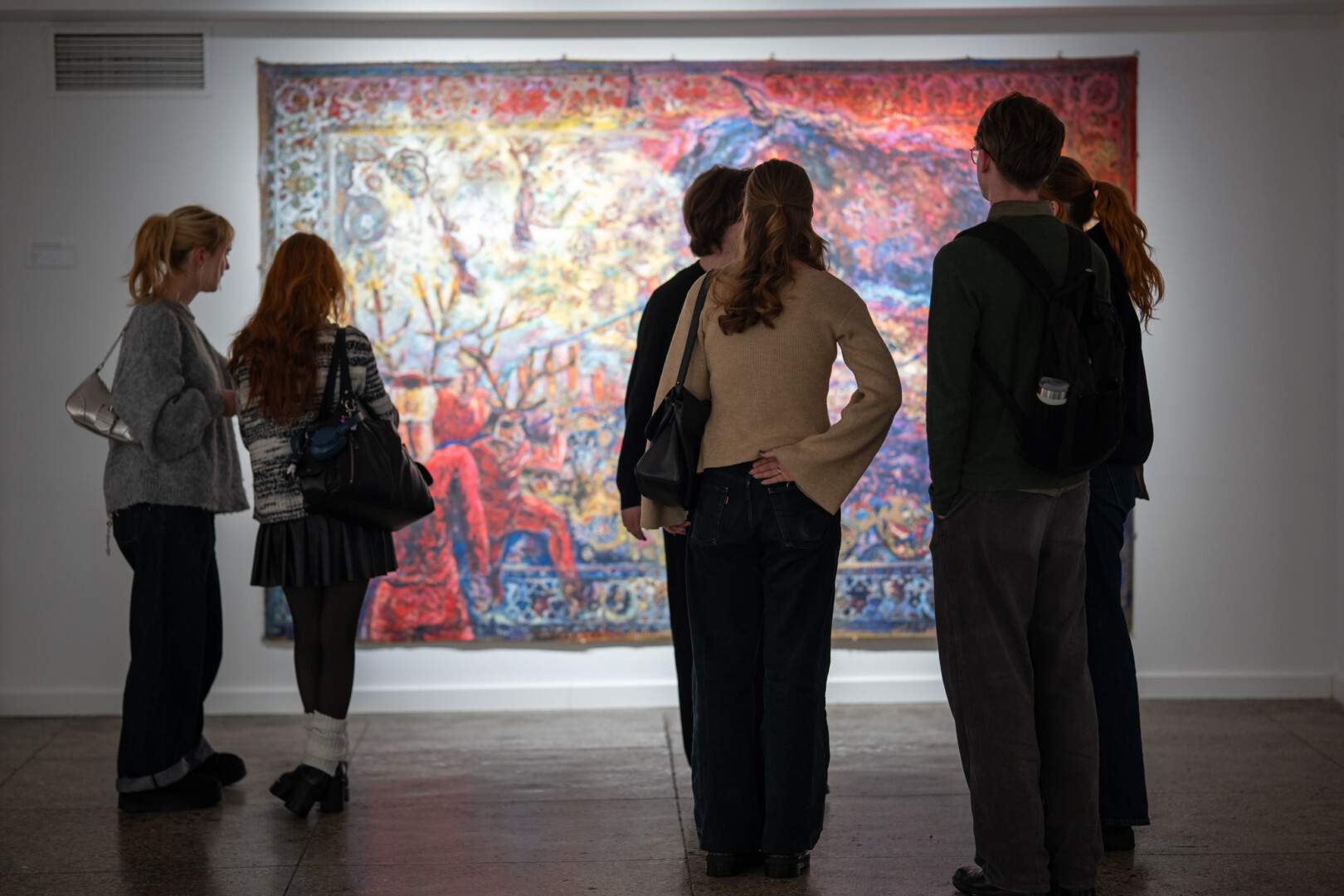
Remdamasis filosofo Jean-François Lyotard figūralumo sąvoka, skiriančia juslišką, neartikuliuojamą patirtį (figūralumą) nuo ženklų ir reprezentacijos sistemos (figūratyvumo), Polyrabbit siekia reprezentacijos įveikos. Animacinio vaizdo projekcija ant rastų, išmestų kilimų tampa modeliu, kuris vėliau lėtai ir grubiai pertapomas. Šis procesas – tarp momentinės skaitmeninės projekcijos ir tankaus fizinio tapymo akto – sukuria įtampą ir savitą „creepy“ (liet. nejaukumo) estetiką. Bufonada ir naratyvų deformavimas išlaisvina afektą, kuris figūras paverčia figūraliomis – veikiančiomis žiūrovą ne per supratimą, o per jutimus.
„Polyrabbit.Duplicate“ siekia reprezentacijos įveikos figūratyvinėje tapyboje ir animacijoje. Polyrabbit kūryboje svarbus tapybos ir ironijos santykis, kurį autoriai įvardija kaip „creepy“ figūratyvizmą (angl. – nejaukumą sukeliantis figūratyvumas). Polyrabbit iliustruoja klišes, dirbtinai ir grubiai homogenizuodamas vienos svarbiausių Algirdo Juliaus Greimo semiotikos sąvokų – reikšmės ansamblio – susidarymą. Bufonizuojant tiek mokumentinių serijų, tiek tapybos darbų naratyvumą, jų pasakojimų struktūros patiria brutalų spaudimą. Per jėgą, grubiai ir ekspresyviai suplokštintos figūrų reikšmės įtempia reikšmės ansamblio saitus. Homogenizuotos figūrų reikšmės tampa „creepy“ ir išlaisvina afektą, kuris figūras paverčia figūraliomis.
Tapyboje „Polyrabbit.Duplicate“ veikia kaip singuliarus taškas, pasižymintis dideliu kūno tankiu. Viena esminių figūralumo sąlygų – katastrofa – Polyrabbit kūryboje suvokiama kaip neprognozuojamas tapybos materijos ir tapybinio gesto poveikis figūratyviam vaizdiniui. Ši sąvoka postuluota filosofo Gilles’io Deleuze’o veikale „Jutimų logika“, analizuojant Francis Bacon’o kūrybą. Vienas svarbiausių tapybos ir filosofijos uždavinių, anot filosofo, yra reprezentacijos įveika, judinanti kultūrą emancipacijos link. Siekdamas išsilaisvinti iš klišių, naratyvumo ir ženkliškumo, tapytojas turi pasiekti antrinę figūraciją – figūralumą, įveikdamas figūratyvumą.
Francis Bacon’as savo tapyboje figūras ardo naudodamas diagramas – atsitiktinius gestus, dėmes, štrichus – kurie tapybos kūrinį priverčia susidurti su katastrofa. Anot Bacon’o, abstrakti tapyba neišbrenda iš katastrofos ir pavirsta pelke. Kad iš jos išbristų, tapytojas turi išlaikyti figūratyvinę duotį, bet galiausiai pasiekti figūralumą.
Katastrofa „Polyrabbit.Duplicate“ kūryboje įvyksta figūratyviam animacijos vaizdiniui skaitmeninėje terpėje susiduriant su kilimų paviršiais, o vėliau šią koliziją bandant perprasti materialiai. Animacinio vaizdinio projekcija ant kilimo tampa nenukopijuojamu modeliu, kurį siekiama „pertapyti“, kopijuojant ant itin tankios medžiagos – kilimo.
Darius Jaruševičius ir Ina Šilina yra nepriklausomi animacinių filmų kūrėjai, aktyviai dalyvaujantys tarptautiniuose kino festivaliuose. 2010 m. duetas buvo apdovanotas „Sidabrine gerve“. Darius Jaruševičius kuruoja nepriklausomas, įvietintas šiuolaikinės tapybos parodas, dalyvauja grupinėse parodose kaip tapytojas, eksperimentuojantis su tankia tapybos materija ir tiriantis jos nereprezentatyvųjį matmenį. Ina Šilina yra žurnalistė, scenaristė, tekstų autorė ir edukatorė. Daug metų bendradarbiavusi su nepriklausomos žiniasklaidos platforma „Nara“, ji šiuo metu LRT kuria tinklalaides politinėmis, istorinėmis ir antropologinėmis temomis.
_ _ _
Mieli lankytojai, dalyvaudami parodų atidarymuose, neprieštaraujate, kad jie gali būti filmuojami ar fotografuojami, o jų nuotraukos viešinamos Šiaulių dailės galerijos internetinėje svetainėje, žiniasklaidoje ar socialiniuose tinkluose.
_ _ _
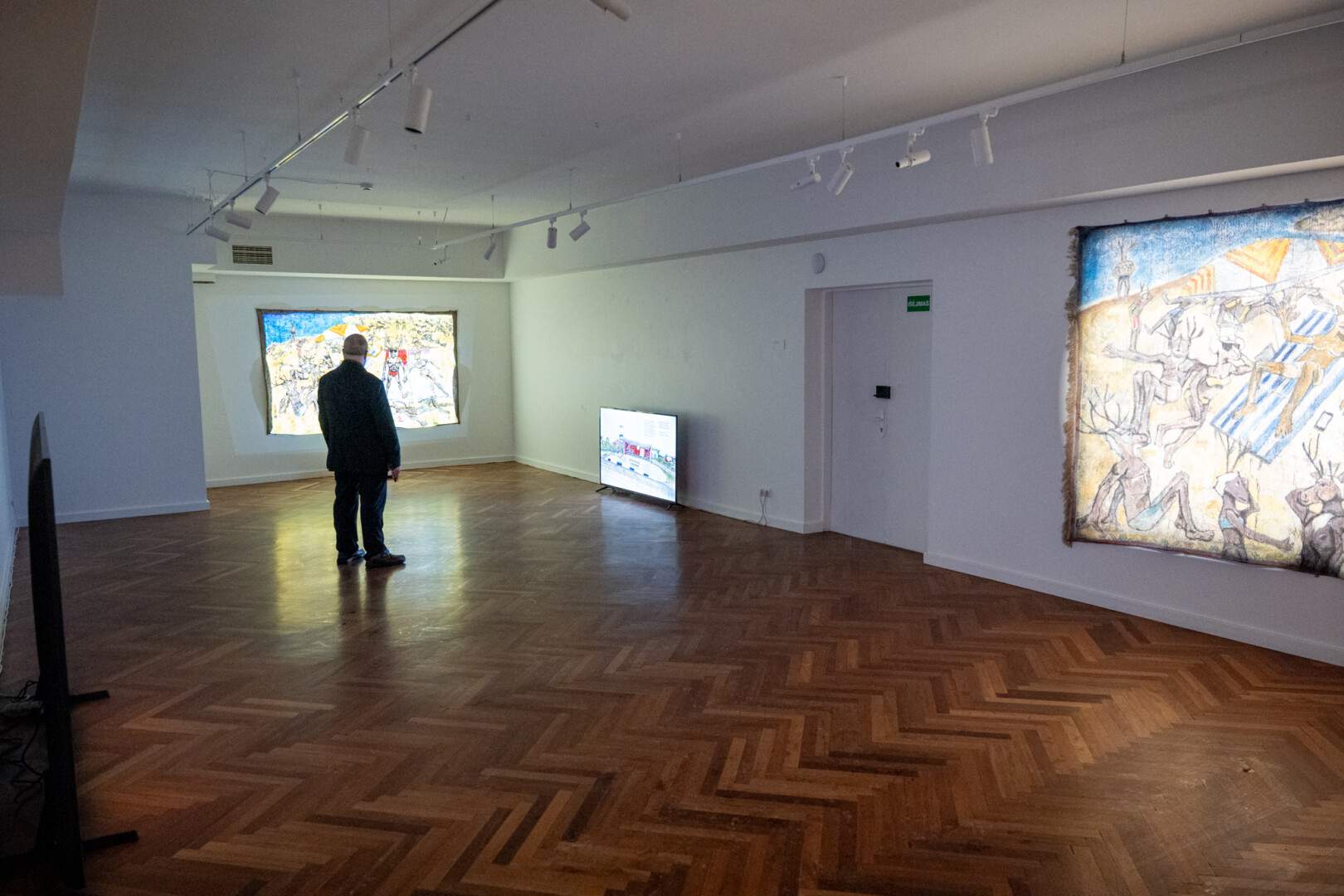
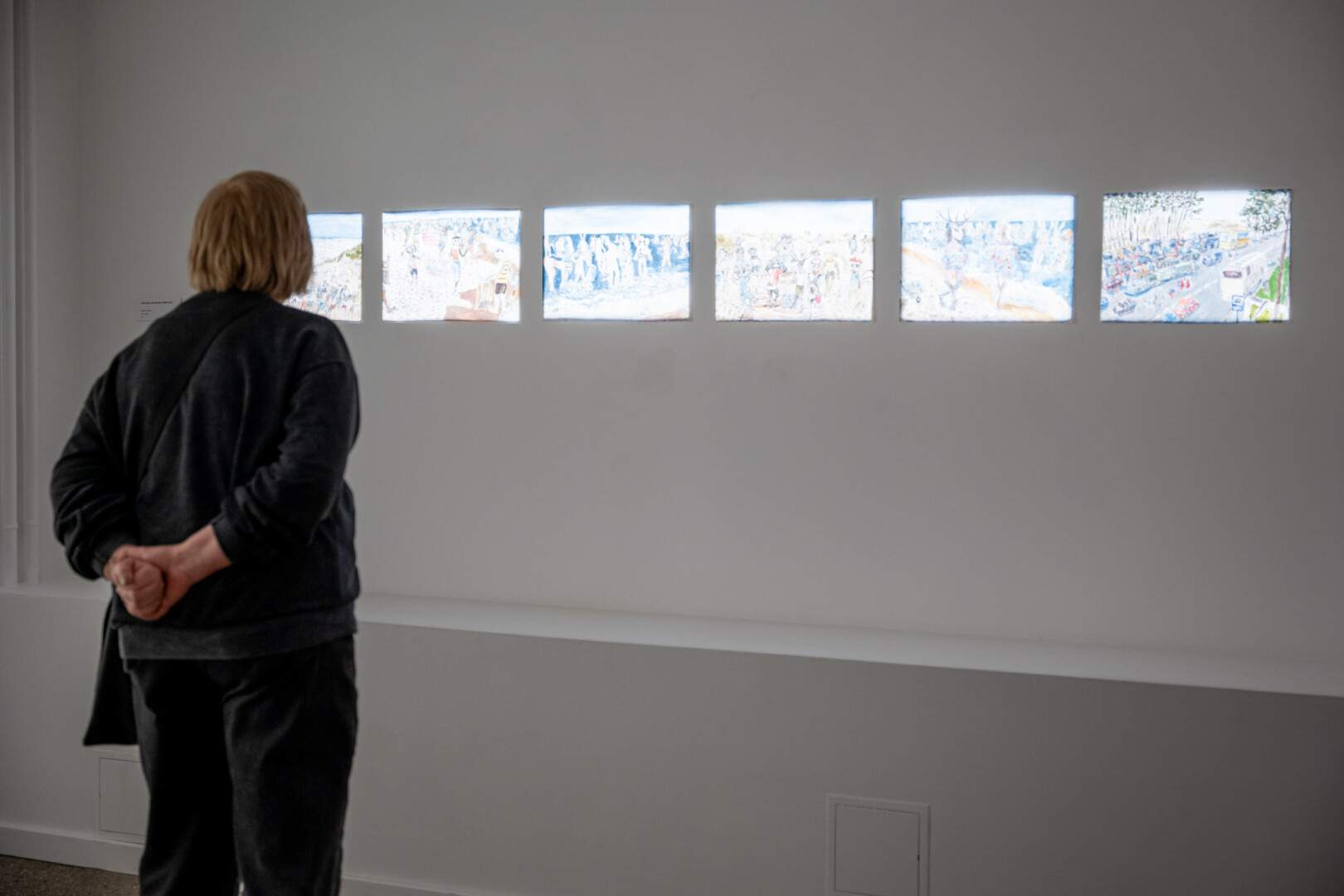
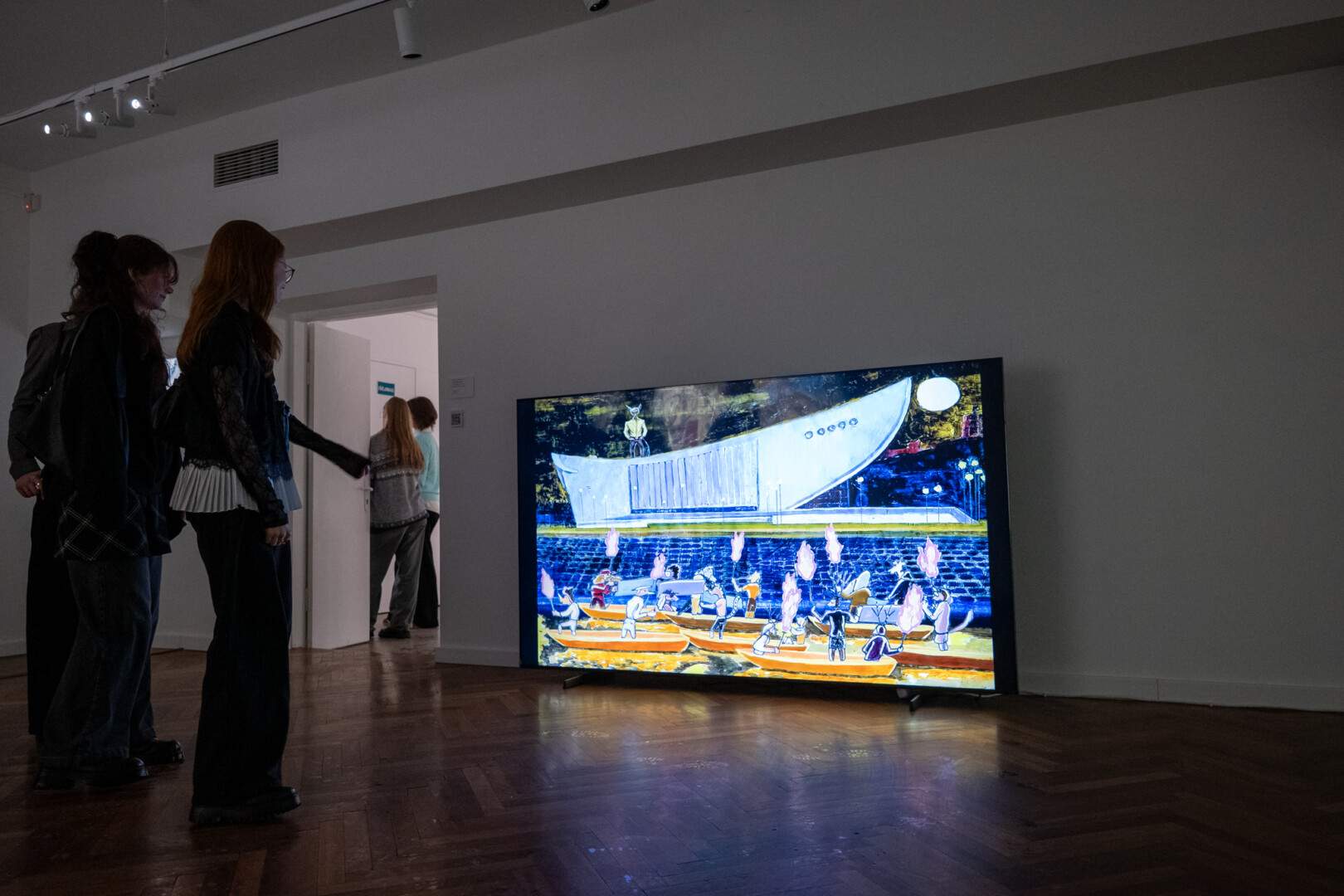
On Friday, February 20, 2026, at 5:00 PM, the exhibition “Figurality”, featuring contemporary painting and analogue animation by Darius Jaruševičius and Ina Šilina, will open.
The exhibition will run until March 14.
CONTEMPORARY PAINTING AND ANALOGUE ANIMATION EXHIBITION
“FIGURALITY”
The creative duo behind “Polyrabbit.Duplicate” – Darius Jaruševičius and Ina Šilina – transfer the authorship of film and painting to an animated character that produces documentary narratives through diverse painterly forms. “Polyrabbit.Duplicate” is the protagonist of the hand-crafted mockumentary (fictional documentary) animation series of the same name, embodying the contemporary media consumer who experiences and perceives the external world through screens. Created more than a decade ago, the character – anachronistic in form – has become an analogue, virtually generated painterly intermediary (agent) devised by Jaruševičius and Šilina.
Drawing on philosopher Jean-François Lyotard’s concept of the figural, which distinguishes sensual, inarticulable experience (figurality) from systems of signs and representation (figuration), Polyrabbit seeks to overcome representation. The projection of animated imagery onto found, discarded carpets becomes a model later slowly and roughly repainted. This process – positioned between instantaneous digital projection and the dense physical act of painting – creates tension and a distinctive “creepy” aesthetic. Buffoonery and the deformation of narrative release affect, transforming figures into figural presences that act upon the viewer not through comprehension but through sensation.
“Polyrabbit.Duplicate” aims to transcend representation within figurative painting and animation. In Polyrabbit’s practice, the relationship between painting and irony is central; the authors describe it as “creepy figurativism.” Polyrabbit illustrates clichés, artificially and roughly homogenizing the formation of one of Algirdas Julius Greimas’s key semiotic concepts – the ensemble of meaning. By buffoonizing the narrativity of both the mockumentary series and the paintings, narrative structures undergo intense pressure. Forcefully flattened, expressive meanings of figures tighten the bonds of the ensemble of meaning. Homogenized figural meanings become “creepy” and release affect, which turns figures into figural entities.
In painting, “Polyrabbit.Duplicate” operates as a singular point marked by a high density of corporeality. One of the essential conditions of figurality – catastrophe – is understood in Polyrabbit’s practice as the unpredictable impact of painterly matter and gesture upon the figurative image. This idea was articulated by philosopher Gilles Deleuze in The Logic of Sensation, in his analysis of Francis Bacon’s work. According to Deleuze, one of the fundamental tasks of both painting and philosophy is the overcoming of representation, a process that moves culture toward emancipation. In order to free themselves from clichés, narrativity, and signification, painters must reach secondary figuration – achieving figurality by overcoming the figurative.
Francis Bacon disrupted figures in his paintings through diagrams: accidental gestures, stains, and strokes that force the painting to confront catastrophe. According to Bacon, abstract painting fails to emerge from catastrophe and turns into a swamp. To move beyond it, the painter must retain a figurative given yet ultimately achieve figurality.
In “Polyrabbit.Duplicate,” catastrophe occurs when the figurative animated image in the digital environment encounters the surface of carpets, and this collision is later explored materially. The projection of animation onto carpet becomes an unrepeatable model that is then “repainted,” copied onto an extremely dense material – the carpet itself.
Darius Jaruševičius and Ina Šilina are independent animation filmmakers actively participating in international film festivals. In 2010, the duo received the Silver Crane award. Darius Jaruševičius curates independent site-specific exhibitions of contemporary painting and participates in group exhibitions as a painter experimenting with dense painterly matter and investigating its non-representational dimension. Ina Šilina is a journalist, screenwriter, writer, and educator. After many years collaborating with the independent media platform Nara, she currently produces podcasts for LRT on political, historical, and anthropological themes.
_ _ _
Dear visitors, by attending exhibition openings, you agree that they may be filmed or photographed, and that images may be published on the Šiauliai Art Gallery website, in the media, or on social networks.